6 Ways to Grow Your Email List: Top Tips for Teacherpreneurs
Most TpT sellers who start an email list do the hard part first. They create a free resource, connect it to their email platform, and set up a welcome message that delivers what was promised. The structure is in place.
Then growth slows.
Subscribers join occasionally, often tied to a blog post, a Pinterest pin, or a seasonal increase in traffic. The list grows, but not steadily enough to feel predictable. At that point, the question shifts from whether email marketing for teacherpreneurs matters to how to grow your email list in a way that consistently supports your store.
Here are six ways to strengthen what you’ve already built so your list grows alongside your TpT store.
1. Create a Focused Freebie That Attracts the Right Teachers
Before focusing on growth strategies, ensure that your free resource clearly reflects your niche and ideal customer. Many sellers create their first freebie quickly, choosing something they already have on hand. It might be a sampler, a generic worksheet, or a small bundle pulled from existing products. While that approach can bring in subscribers, it often attracts a wide mix of teachers whose needs may not match your paid resources.
If you primarily create fifth-grade math test prep materials, a broad “math warm-up pack” may generate sign-ups from multiple grade levels. A free resource focused specifically on multi-step test prep problem solving for grade five will bring in fewer total subscribers, but those subscribers are far more likely to be aligned with your store and become buyers one day.
Clarity is also important to the positioning of the freebie. Instead of describing it as “engaging,” describe exactly what it includes and how it is used. For example, explain whether it is a printable, a digital activity, or a small-group tool. Teachers evaluating whether to download it are often scanning quickly. Specific language helps them decide faster.
2. Strengthen One Clear Opt-In Before Creating More
When growth feels slow, the instinct is often to create another freebie. A new resource can feel like forward movement, but if your original opt-in has not been refined, adding another one may divide your attention rather than increase results.
Start by reviewing your current landing page from start to finish. Read the headline. Does it name the grade level and skill directly? Look at the description. Does it explain how the resource fits into a real classroom schedule, such as morning work, intervention time, or centers? Concrete context often increases sign-ups because teachers can immediately picture implementation.
You can also examine the placement of your opt-in form. If teachers have to scroll significantly before seeing how to subscribe, they may miss it completely. Small layout changes often improve total conversions. These types of adjustments take far less time and effort than building an entirely new lead magnet.
3. Build on the Traffic You Already Have
Most teacherpreneurs underestimate the value of existing content. If you have blog posts that rank seasonally, Pinterest pins that receive consistent saves, or TpT products that sell steadily, those assets already attract the right audience.

Review your analytics and identify which pages receive repeat visits. Ask whether the freebie you are offering directly supports that content. If not, consider creating a more closely aligned opt-in for that specific topic. For example, if a blog post on teaching figurative language consistently drives traffic, a free mini-lesson on metaphors would convert more effectively than a general reading worksheet.
In your TpT store, look at products that receive consistent reviews. Teachers who purchase from you and leave positive feedback are often ideal email subscribers. Mentioning a related free resource inside your download instructions can create a natural next step without feeling intrusive.
4. Make Your Welcome Sequence Clear and Relevant
A new subscriber’s first impression shapes future engagement. If your welcome email is overly brief or unclear about your focus, teachers may not understand what makes you or your store unique.
In your first message, include a short paragraph that explains exactly what you create and who it is for. For example, you might clarify that you design hands-on science labs for middle school or differentiated reading intervention resources for third grade. That specificity sets expectations and reduces unsubscribes.
In the second or third email, provide a practical example of how you use the free resource in context. If the freebie is a math error analysis sheet, describe when you use it during the week and how students typically respond. This additional layer of information builds credibility with your audience.
You could also invite subscribers to reply in your welcome sequence by asking a simple question. Even a small number of responses increases engagement signals inside email platforms and strengthens your connection with your audience.
5. Share Your Freebie Regularly in the Right Places
Promotion often fades after the initial launch of a freebie. Without ongoing visibility, subscriber growth becomes inconsistent.
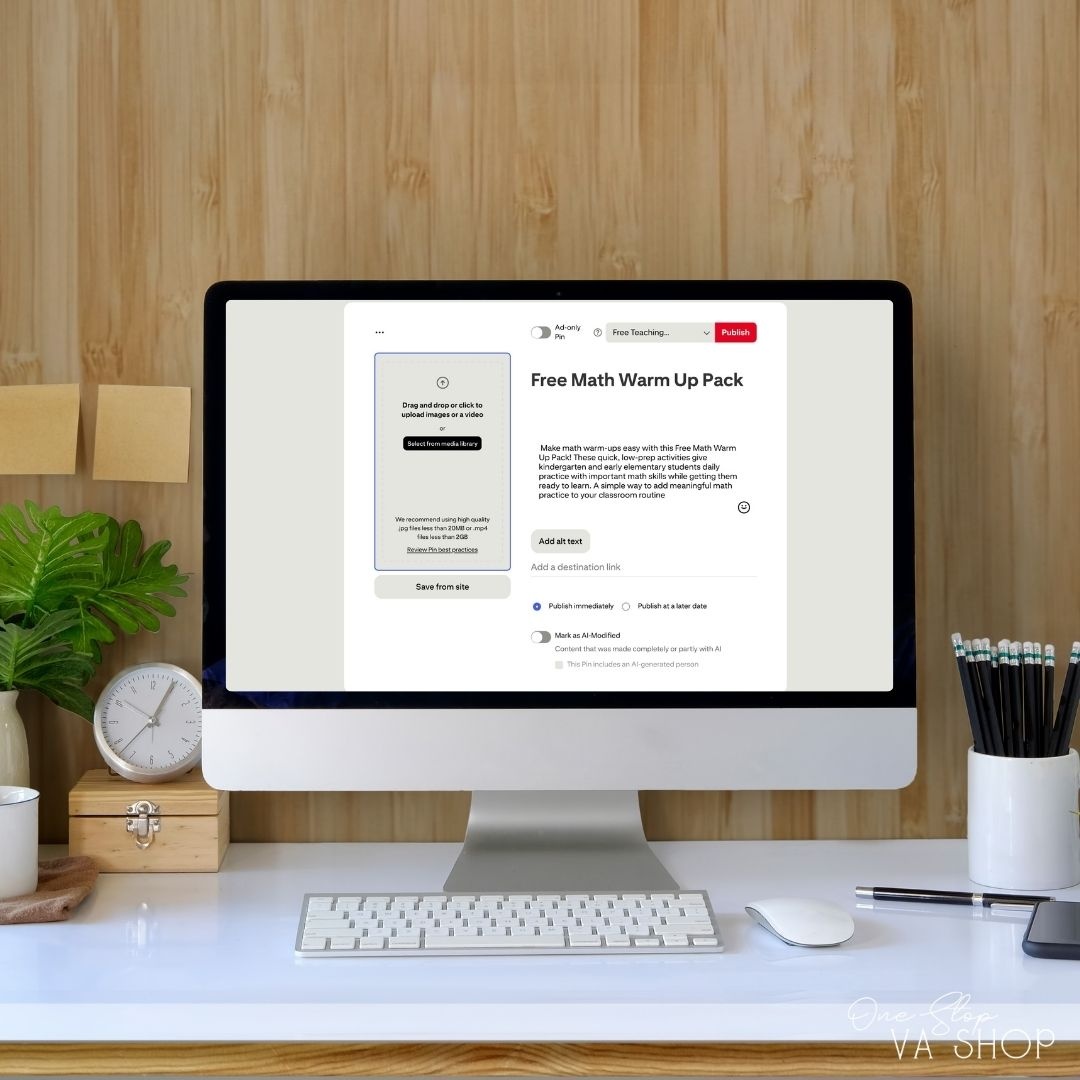
Review your content calendar for the year and identify predictable traffic spikes. Back-to-school, testing season, and end-of-year review are common examples. Planning intentional mentions of your opt-in during these periods keeps your offer visible when teachers are actively searching for support.
You can also refresh older blog posts by updating calls to action or adding a more clearly connected free resource. This is often more efficient than writing entirely new content. On Pinterest, updating pin descriptions with clearer references to your opt-in can increase click-through rates without additional design work.
6. Pay Attention to What Is Working and Adjust Gradually
As you work to grow your email list, build a habit of reviewing simple metrics monthly. Notice how many new subscribers joined and which source they came from.
If Pinterest consistently drives sign-ups while Instagram produces fewer conversions, that information can influence where you invest future effort. Similarly, if one free resource leads to higher open rates and product purchases, you may emphasize it more heavily in your content than others.
You can also monitor unsubscribe patterns. If subscribers frequently leave after a particular email, review the messaging and consider whether expectations were clear from the beginning. Small refinements to subject lines, positioning, or sequence timing can improve retention.
A Sustainable Way to Approach Email Marketing for Teacherpreneurs
Sustainability comes from review, not reinvention. Instead of constantly creating new lead magnets, consider building a simple rhythm for evaluating what you already have.

Once each quarter, revisit your primary freebie with fresh eyes. Open the landing page and read it slowly, as though you were seeing it for the first time. Notice whether the headline still reflects the exact grade level, subject, or instructional focus you currently create for. Over time, many TpT sellers refine their niche without updating their entry points. If your store has shifted from general reading activities to targeted comprehension interventions, your opt-in language should reflect that. You might also review the actual resource itself. Are the fonts, examples, and terminology consistent with your newer products? Small updates to phrasing, classroom examples, or even the preview image can improve clarity and better represent your current brand.
At the start of each season, review where your opt-in appears and how it connects to current teacher needs. Traffic patterns often follow predictable rhythms in education. Back-to-school brings different concerns than mid-year test prep or end-of-year review. As those needs shift, ensure that your free resource still feels timely in the places it is promoted. This might mean adjusting a call to action within an older blog post so it speaks directly to what teachers are planning in that season. It could also involve updating a Pinterest description to better match the language teachers are using in their searches. These adjustments do not require new content. They simply ensure that your existing entry points remain visible and relevant.
Once a year, take a broader look at how your email list fits within your store as a whole. Compare the themes of your free resource to the products you have created most recently. If your catalog has deepened in a particular direction, consider whether your opt-in introduces teachers to that same pathway. You might also review subscriber behavior at a high level. Are new subscribers engaging with the types of products you are prioritizing? If your niche has narrowed or expanded, adjusting your entry point helps maintain coherence between the teachers who join your list and the resources you are now creating.
Approaching your list with this kind of steady review keeps it connected to the real work of your store, rather than treating it as a separate marketing project that requires constant reinvention.
If you would like support refining your freebie funnel, strengthening your landing page, or organizing your welcome sequence, the team at One Stop VA Shop offers specialized email marketing support for TpT sellers.
→ Click here to find the exact service you need and schedule a consult.